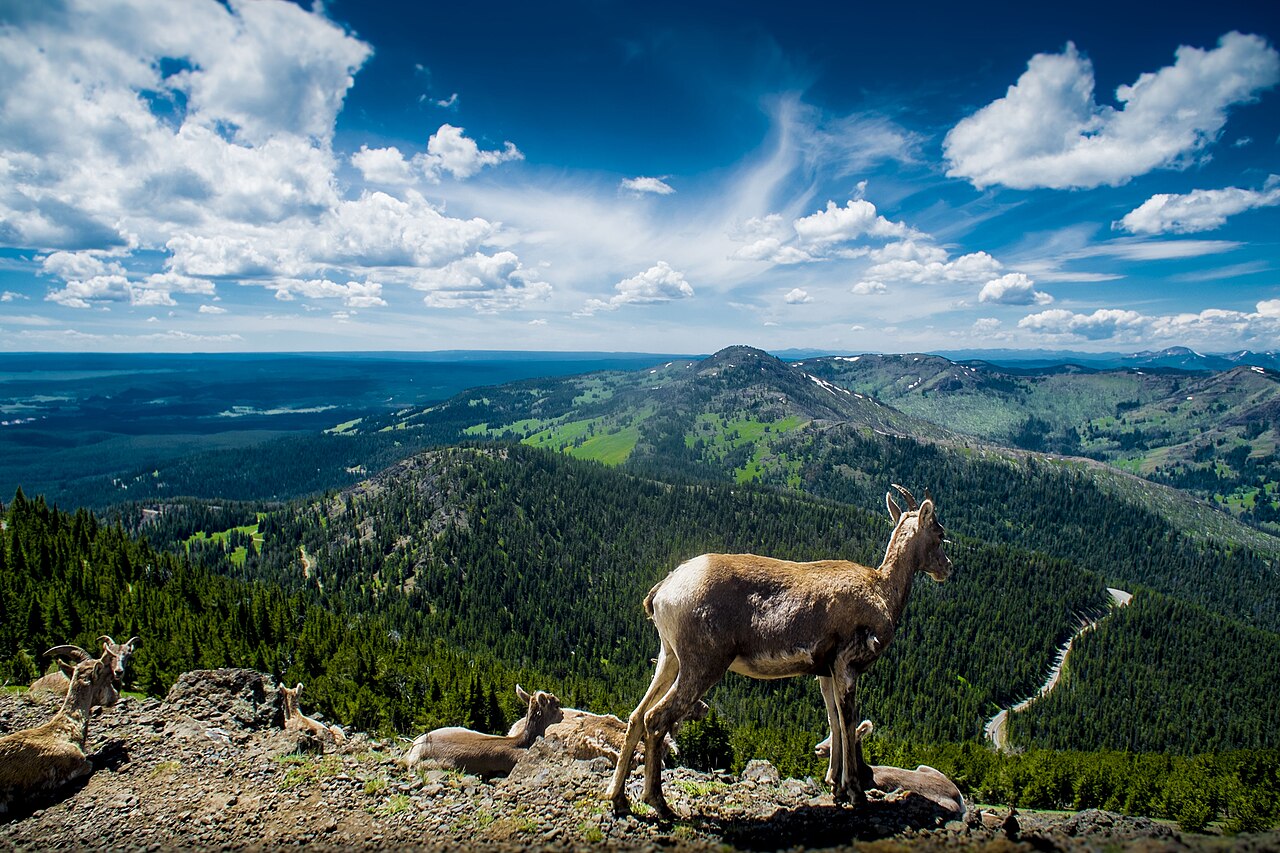
Discovering Mount Washburn: Yellowstone's Panoramic Peak
Nestled within the vast and iconic landscapes of Yellowstone National Park, Mount Washburn stands as a beacon for adventurers, offering some of the most spectacular and expansive views available anywhere in the park. Reaching a commanding elevation of 10,243 feet (3,122 meters), this prominent peak is not just a geological marvel but a historical landmark and a hiker's paradise. Known for its accessible trails, abundant wildlife, and the chance to visit an active fire lookout, a journey to the summit of
Mount Washburn in Yellowstone National Park promises an unforgettable experience.
Whether you're an avid hiker seeking invigorating climbs or a nature enthusiast yearning for breathtaking vistas and unique wildlife encounters, Mount Washburn delivers. Its unique position in the north-central part of Yellowstone allows for unparalleled 360-degree perspectives across the sprawling Yellowstone Caldera and the distant mountain ranges, including the majestic Tetons on a clear day. This article will guide you through the rich history, diverse trails, and incredible rewards that await you on this quintessential Yellowstone adventure. For a comprehensive overview of what to expect on your trek, including detailed insights into the wildlife you might encounter, explore our guide:
Mount Washburn Hike: Trails, Views, & Wildlife in Yellowstone NP.
A Tale of History and Heights: The Legacy of Mount Washburn
The story of Mount Washburn is deeply intertwined with the very genesis of Yellowstone National Park. The mountain bears the name of General Henry Washburn, who, in 1870, led the pivotal Washburn-Langford-Doane Expedition. This expedition's detailed explorations and vivid accounts of Yellowstone's unique thermal features and natural wonders were instrumental in galvanizing support for the establishment of Yellowstone as the world's first national park in 1872. Standing atop the peak named in his honor, one can truly appreciate the vision and foresight of these early explorers who recognized the unparalleled value of this wild frontier.
Beyond its historical namesake, Mount Washburn plays a crucial contemporary role in the park's conservation efforts. It is home to one of Yellowstone's three remaining active fire lookout stations. The current lookout tower, a robust structure built in 1941, continues to serve as a vital sentinel, providing park staff with a critical vantage point for detecting and monitoring wildfires across vast sections of the park. This makes every ascent to Mount Washburn not just a hike, but a living history lesson and a direct connection to the ongoing stewardship of America's natural treasures. The lookout also doubles as a unique interpretive center, offering visitors a deeper understanding of the park's geology, ecology, and the essential work of fire management.
Conquering the Summit: Your Guide to Mount Washburn Trails
Reaching the panoramic summit of
Mount Washburn in Yellowstone National Park is made accessible through two distinct, well-maintained trails, each offering a unique journey to the top. Both options present a rewarding challenge with similar elevation gains but differ in length and gradient, catering to various hiking preferences.
The Dunraven Pass Trail
Starting from the Dunraven Pass trailhead, this route is the longer of the two, stretching approximately 6 miles round trip. While it involves an elevation gain of around 1,400 feet, the ascent is notably more gradual. This makes the Dunraven Pass Trail a popular choice for those who prefer a less strenuous climb, allowing ample opportunity to soak in the surrounding beauty. Early summer hikers are particularly rewarded with spectacular displays of vibrant wildflowers that carpet the slopes, creating a picturesque setting. The wider, sweeping views along this trail also offer fantastic photographic opportunities and a chance to truly appreciate the vastness of Yellowstone's wilderness.
The Chittenden Road Trail
For those seeking a quicker path to the summit, the Chittenden Road Trail is an excellent option. This trail begins at the parking area at the end of Chittenden Road, offering a round trip of about 5 miles. With the same approximate elevation gain of 1,400 feet, this trail is considerably steeper, providing a more direct and sometimes more challenging ascent. A significant feature of the Chittenden Road Trail is its enhanced accessibility; it's designed to accommodate all-terrain wheelchairs, making the incredible views from Mount Washburn's summit achievable for visitors with mobility limitations. It's important to note that Chittenden Road itself is typically only open seasonally, usually from late May/early June through October, depending on snow conditions. Ample overflow parking is available at the Chittenden Road Trailhead, especially during peak season.
Choosing between these two trails often comes down to personal preference. If you enjoy a more leisurely pace with abundant floral beauty, Dunraven Pass might be your ideal choice. If a faster, more direct route or accessible option is preferred, the Chittenden Road Trail awaits. For a detailed comparison and further insights to help you pick the best path for your adventure, refer to our dedicated guide:
Mount Washburn Trails: Dunraven Pass vs Chittenden Road Guide.
Beyond the Hike: What Awaits at the Top of Mount Washburn
The effort expended on the climb to the summit of
Mount Washburn in Yellowstone National Park is generously rewarded with an unparalleled experience that engages all senses.
Unrivaled Panoramic Views
The ultimate prize at 10,243 feet is the breathtaking 360-degree panorama. From this majestic perch, the scale of Yellowstone truly reveals itself. On a clear day, your gaze can sweep across vast expanses of the Yellowstone Caldera, a testament to the park's volcanic past. To the south, the distant, jagged peaks of the Grand Teton range create a dramatic backdrop. An enclosed observation area within the fire lookout tower provides a welcome respite from the often-windy conditions at the summit, allowing visitors to comfortably savor the magnificent views stretching for 20 to 50 miles in every direction. Interpretive displays inside the lookout further enhance the experience, explaining the geological forces that shaped the landscape, the diverse wildlife, and the rich history of the region.
Exceptional Wildlife Observation
The hike up Mount Washburn is not just about the destination; it's a journey rich in wildlife encounters. As you ascend, keep a keen eye out for the park's iconic inhabitants. Bighorn sheep are frequently spotted, often grazing gracefully near the summit, seemingly unfazed by human presence. Mule deer might dart through the alpine vegetation, while a variety of birds, including the hardy Clark's nutcracker and various raptors soaring on thermals, add to the natural symphony. While less common, bears are also present in the area, underscoring the importance of carrying bear spray and being bear aware.
Educational & Interpretive Opportunities
The fire lookout tower at the summit serves a dual purpose: a critical operational hub for wildfire detection and a fantastic educational center for visitors. Park staff are often present during operating hours, ready to share invaluable insights about Yellowstone's natural processes, the challenges of conservation, and the specific role of the lookout. Educational signage along both trails and at the summit offers fascinating information on the area's unique alpine flora, the ancient volcanic forces that shaped this landscape, and the ongoing efforts to protect this pristine wilderness. It's a chance to transform your hike into a truly enriching learning experience.
Planning Your Ascent: Essential Tips for Hiking Mount Washburn
To ensure a safe and enjoyable journey to the top of
Mount Washburn in Yellowstone National Park, a bit of preparation goes a long way.
*
Weather Preparedness: The high-altitude environment of Mount Washburn means weather can change dramatically and rapidly. Even in summer, snow patches can persist, and temperatures can drop significantly with strong winds. Always pack layers of clothing, including a waterproof and windproof outer shell, regardless of the forecast at the trailhead.
*
Hydration and Nutrition: Carry plenty of water and high-energy snacks. Dehydration and fatigue can set in quickly at higher elevations.
*
Sun Protection: The sun's rays are much stronger at altitude. Apply sunscreen generously, wear a wide-brimmed hat, and use sunglasses.
*
Appropriate Footwear: Sturdy, broken-in hiking boots with good ankle support are crucial for navigating the varied terrain.
*
Bear Safety: Mount Washburn is bear country. Carry bear spray and know how to use it. Make noise while hiking, especially through dense vegetation, to avoid surprising wildlife.
*
Start Early: Begin your hike in the morning to avoid afternoon thunderstorms, which are common in the mountains, and to secure parking, particularly at the Chittenden Road trailhead.
*
Road Conditions: Always check the current road status for Chittenden Road and Dunraven Pass, as they are subject to seasonal closures due to snow or construction. The best time to hike is typically from late June through September, though conditions vary year to year.
*
Leave No Trace: Pack out everything you pack in. Stay on designated trails to protect the delicate alpine ecosystem.
Conclusion
A hike up Mount Washburn is more than just a physical challenge; it's an immersive experience that encapsulates the very essence of Yellowstone National Park. From its profound historical connections to the early explorers, to its vital modern-day role as a fire lookout, and its unparalleled panoramic vistas, Mount Washburn offers a unique blend of adventure, education, and breathtaking natural beauty. Whether you choose the wildflower-lined Dunraven Pass Trail or the more direct Chittenden Road ascent, reaching this iconic summit promises a profound appreciation for one of America's most treasured wild places. Prepare well, embrace the journey, and discover why Mount Washburn remains a highlight for visitors to Yellowstone.