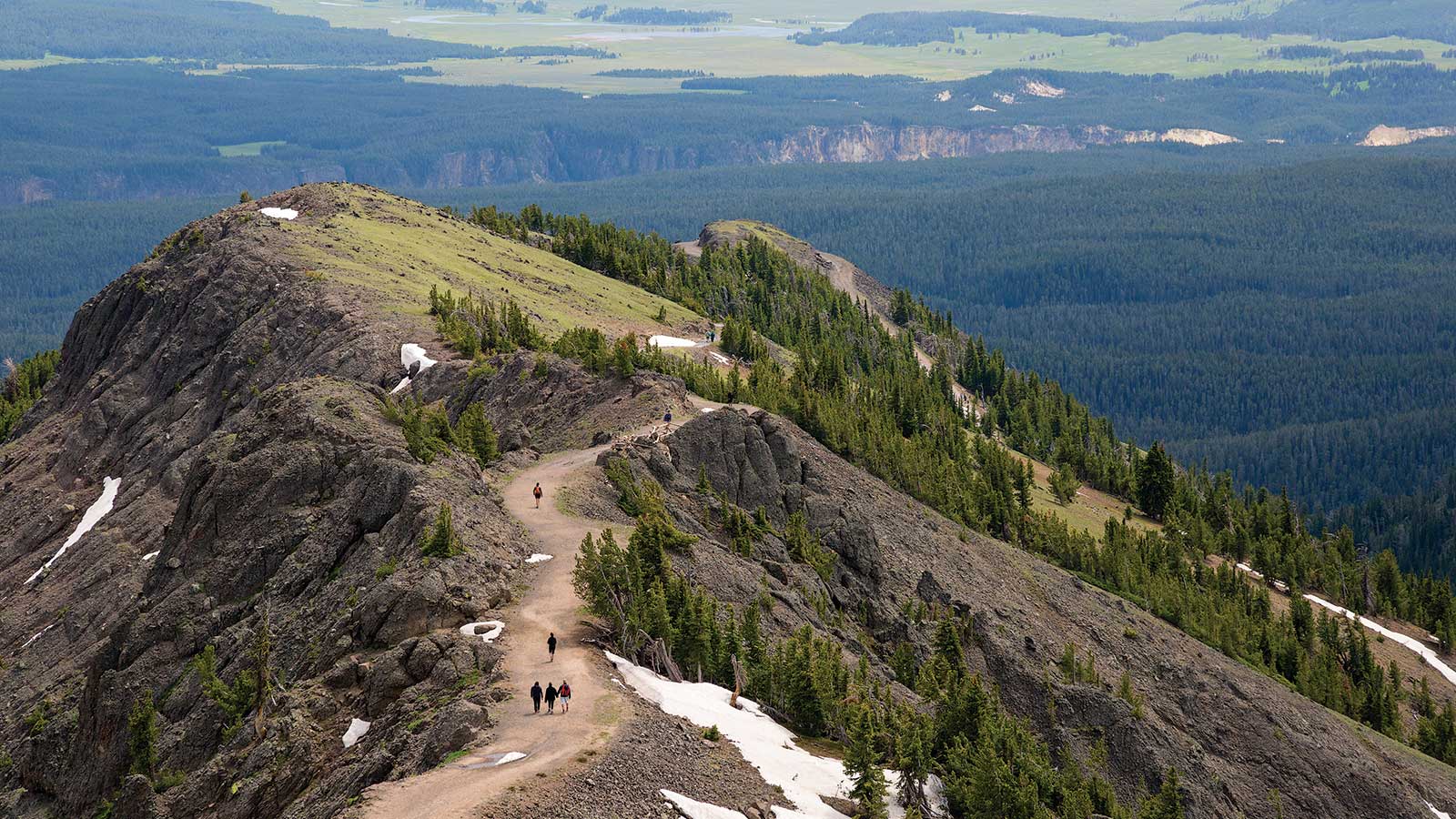
Mount Washburn Hike: Trails, Views, & Wildlife in Yellowstone NP
For outdoor enthusiasts seeking an unforgettable experience in one of America's most iconic landscapes, a hike up Mount Washburn in Yellowstone National Park is an absolute must. Towering at over 10,000 feet, this majestic peak offers some of the most expansive and breathtaking panoramic views within the park, coupled with unparalleled opportunities for wildlife observation and a dose of compelling history. Known for its accessible yet rewarding trails, Mount Washburn attracts thousands of visitors annually, promising an adventure that blends physical exertion with profound natural beauty.
Whether you're a seasoned hiker or looking for a memorable family outing, the journey to the summit of Mount Washburn provides a unique perspective on the vast Yellowstone Caldera and its surrounding wilderness. It's a chance to witness the park's geological wonders, diverse ecosystems, and the enduring legacy of early explorers, all from one spectacular vantage point.
Unveiling the Majesty of Mount Washburn: A Peak Steeped in History and Nature
Situated in the north-central region of Yellowstone, Mount Washburn stands as a prominent landmark, not just geographically but also historically. Reaching an elevation of 10,243 feet (3,122 meters), its strategic location offers unparalleled vistas that sweep across much of the vast Yellowstone landscape, including distant glimpses of the Teton mountain range on clear days. The mountain bears the name of General Henry Washburn, who led the pivotal Washburn-Langford-Doane Expedition in 1870. This expedition's detailed exploration and documentation of the Yellowstone area were instrumental in advocating for the establishment of the world's first national park, forever cementing Mount Washburn's place in conservation history.
Beyond its natural beauty and historical ties, the summit of Mount Washburn also hosts one of Yellowstone's three remaining fire lookout stations. Built in 1941, this historic tower remains actively used by park rangers to detect and monitor wildfires, a critical function in maintaining the ecological balance of the park. For visitors, the lookout tower doubles as an interpretive center, providing fascinating insights into the park's geology, wildlife, and the ongoing efforts to preserve this natural treasure. Ascending to the observation deck within the enclosed area offers protection from the often-brisk winds and provides an even more elevated perspective on the stunning surroundings, enriching the experience of hiking Mount Washburn in Yellowstone National Park.
Conquering the Summit: Your Mount Washburn Trail Guide
Hiking to the summit of Mount Washburn is a rewarding endeavor, with two primary trails offering distinct experiences. Both routes eventually converge, leading you to the iconic fire lookout and those unforgettable 360-degree views. Choosing the right trail depends on your hiking style, fitness level, and desired scenic elements.
The Dunraven Pass Trail
- Starting Point: The well-marked trailhead at Dunraven Pass.
- Length: Approximately 6 miles round trip.
- Elevation Gain: Around 1,400 feet.
- Features: This trail is renowned for its more gradual ascent, making it a favorite for those who prefer a less strenuous climb. The path gracefully switchbacks through alpine meadows that, in early summer, burst forth with vibrant wildflower displays, creating a truly picturesque journey. The wider, sweeping views begin relatively early on this trail, offering continuous visual rewards.
- Why choose it? Ideal for wildflower enthusiasts, photographers, or hikers who appreciate a steady, scenic climb with consistent views. It generally feels less demanding than its counterpart, despite being slightly longer.
The Chittenden Road Trail
- Starting Point: The parking area at the end of Chittenden Road. (Note: Overflow parking is available nearby during peak season).
- Length: Approximately 5 miles round trip.
- Elevation Gain: Roughly 1,400 feet.
- Features: This trail offers a shorter, yet steeper, route to the summit. Its directness means quicker access to the peak for those looking for a more vigorous workout or a faster return. A significant advantage of the Chittenden Road Trail is its accessibility for all-terrain wheelchairs, making the incredible summit views available to a wider range of visitors.
- Why choose it? Perfect for hikers seeking a quicker challenge, those with limited time, or individuals utilizing all-terrain wheelchairs. While steeper, the well-maintained path still provides a fantastic Mount Washburn Trails: Dunraven Pass vs Chittenden Road Guide for reaching the top.
Both trails offer distinct advantages, but both lead to the same awe-inspiring destination. Regardless of your choice, be prepared for consistent uphill hiking and be mindful of your pace, especially if you're not acclimated to higher altitudes.
Beyond the Hike: What Awaits at the Summit and Along the Trails
The journey to the top of Mount Washburn in Yellowstone National Park is about more than just the physical accomplishment; it's an immersive experience rich with natural wonders and educational opportunities.
Panoramic Views that Span Forever
The true reward of the Mount Washburn hike is the utterly breathtaking 360-degree panorama from the summit. From this elevated perch, you can gaze upon the vast expanse of the Yellowstone Caldera, witness distant mountain ranges, and on exceptionally clear days, even spot the iconic Grand Tetons to the south. The enclosed observation area within the fire lookout tower provides a comfortable space to take in these views, offering respite from the elements. Informative displays here further enhance your understanding of the incredible geology and natural history unfolding before your eyes. To delve deeper into these remarkable vistas, explore our article on Yellowstone's Mount Washburn: Panoramic Views & Historic Fire Lookout.
Exceptional Wildlife Encounters
Mount Washburn is a prime location for wildlife observation, making your hike an exciting quest for spotting Yellowstone's iconic inhabitants. Bighorn sheep are frequently seen navigating the rocky terrain near the summit, often seemingly unperturbed by human presence. Keep an eye out for mule deer grazing in the meadows, and be alert for the potential presence of bears (both black bears and grizzlies) in the lower elevations. Overhead, you might spot various raptors soaring on thermals, while the chattering Clark's nutcracker is a common sight and sound near the tree line.
Educational Insights and Ranger Interaction
The fire lookout tower at the peak serves not only as an active fire monitoring station but also as a fascinating interpretive center. Staffed by park rangers or volunteers, it's a fantastic place to ask questions, learn about the park's ecosystems, the volcanic forces that shaped the landscape, and ongoing conservation efforts. Educational signage along both trails also provides valuable information about the local flora, fauna, and geology, turning your hike into an engaging learning experience.
Essential Tips for a Successful Mount Washburn Adventure
A successful and enjoyable hike up Mount Washburn in Yellowstone National Park requires thoughtful preparation. The mountain environment can be unpredictable, so being well-equipped is crucial.
- Weather Preparedness: Mountain weather can change rapidly. Even in summer, temperatures can drop significantly, winds can be strong, and sudden snow or rain showers are possible. Dress in layers, including a waterproof and windproof outer shell. A warm hat and gloves are advisable.
- Hydration and Nutrition: Carry plenty of water (at least 2-3 liters per person) and high-energy snacks. There are no services on the trail.
- Appropriate Footwear: Sturdy hiking boots with good ankle support are recommended due to the uneven terrain.
- Sun Protection: At high altitudes, the sun's rays are much stronger. Apply sunscreen liberally, wear a wide-brimmed hat, and sunglasses.
- Bear Safety: Yellowstone is bear country. Carry bear spray, know how to use it, and make noise while hiking, especially on blind turns, to avoid surprising wildlife. Travel in groups if possible.
- Leave No Trace: Pack out everything you pack in, including all trash. Stay on marked trails to protect fragile alpine vegetation. Do not feed wildlife.
- Best Time to Visit: Late June through early September typically offers the best hiking conditions, with July and August being prime for wildflowers. Aim for clear days to maximize your panoramic views. Arrive early to secure parking, especially at the Chittenden Road trailhead.
- Altitude Awareness: If you're not used to high altitudes, take it easy, hydrate, and be aware of symptoms of altitude sickness.
Conclusion
The Mount Washburn hike offers an unparalleled opportunity to connect with the wild heart of Yellowstone National Park. From its historically significant summit to the diverse wildlife along its trails, and the jaw-dropping panoramic views that stretch for miles, this experience encapsulates the very essence of what makes Yellowstone so special. Whether you choose the wildflower-strewn Dunraven Pass Trail or the more direct Chittenden Road route, the journey to the peak of Mount Washburn in Yellowstone National Park promises an adventure filled with discovery, challenge, and moments of profound natural beauty that will linger in your memory long after your descent.
